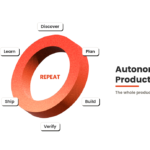
A high-intent user points out a misaligned button, an outdated pricing label, a missing onboarding tooltip. The fix takes five minutes in Figma. Getting it live takes a Jira ticket, a sprint planning session, and a spot in an engineering queue already packed with backend architecture and infrastructure work.
Two weeks later, the PR is merged.
AI coding assistants like Cursor, GitHub Copilot, and Claude Code have made engineers faster. But they were built for engineers. They require local repository clones, terminal commands, branch management, and IDE fluency. A product manager or designer who wants to fix a button doesn’t have any of that, and shouldn’t need it.
Fei Studio skips the IDE. A PM describes the change or links a Figma frame, the agent opens a pull request directly in the repo, and an engineer reviews it in under a minute.
Why IDE Tools Don’t Work for Non-Engineers
Three problems show up as soon as a non-engineer tries to use a developer-centric AI tool.
The context switch is real. Designers work in Figma. PMs work in specs and roadmaps. Dropping either into a local IDE to change a button label is a bigger ask than the fix itself.
IDE assistants don’t know your design system. They guess at spacing, font weight, border radius. Design teams end up policing inconsistencies the AI introduced, which is more work than doing the fix by hand.
Someone still has to review the code. Even when an AI writes clean code inside an engineer’s local setup, a human still runs the build, checks the tests, and reviews the PR. The bottleneck doesn’t disappear, it moves from writing code to reviewing it.
How Fei Studio Handles This
Fei Studio reads your design tokens, component library, and Tailwind config directly from Figma, so generated components match your system instead of guessing at it. A PM describes a flow change in plain language or points to a Figma frame, and the agent builds the React component to spec. It then opens a linted, test-passing pull request in the actual repository, not a sandbox.
Engineers don’t write the boilerplate. They do a fast sanity check on a PR that’s already passing tests, which takes closer to a minute than a sprint.
What This Frees Up
Engineering time is the scarcest resource on most product teams. Routine UI fixes, copy tweaks, and layout adjustments don’t need a senior developer’s attention. When PMs and designers can ship those changes themselves, with a design-system-compliant PR an engineer can approve in under a minute, the Jira queue for frontend iteration mostly goes away.
There’s a second queue the same approach clears. The moment your users aren’t all in one language, every copy tweak becomes a localization ticket too, filed and translated on its own timeline. An AI translator like Lara Translate closes that gap: the UI copy you just shipped gets translated in context and goes live in every market, without waiting on a separate localization sprint.